

Long before agarwood became a global luxury commodity, it held deep cultural, spiritual, and medicinal significance across Asia and the Middle East. Understanding this history adds real depth to appreciating what you’re holding when you own a piece of genuine Sana’i agarwood.
Ancient Origins
Agarwood — known locally in Indonesia as “gaharu” — has been traded and valued across Asia for over a thousand years. Historical trade routes connected agarwood-producing regions of Southeast Asia to the Middle East, India, and China, where it was prized for use in incense, traditional medicine, and religious ceremonies. Its rarity — since only a fraction of Aquilaria trees ever naturally develop resin — made it a precious commodity even in ancient trade economies.
A Material Woven Into Ritual and Culture
Across many cultures, agarwood has never been treated as “just a fragrance.” In parts of the Middle East, oud is deeply tied to hospitality traditions, offered to guests as a sign of respect. In parts of Asia, agarwood incense has long played a role in religious and spiritual practice, valued for the meditative, grounding quality of its smoke. Even today, these cultural associations shape how oud is perceived — less as a passing trend, and more as a material with lasting significance.
Indonesia’s Role in the Agarwood Story
Indonesia has long been one of the world’s most significant sources of quality agarwood, thanks to its climate and native Aquilaria tree populations. This is part of the heritage PayuOud operates within — as a Sana’i agarwood manufacturer based in Indonesia, we’re continuing a craft with deep regional roots rather than starting from nothing.
From Traditional Craft to Modern Manufacturing
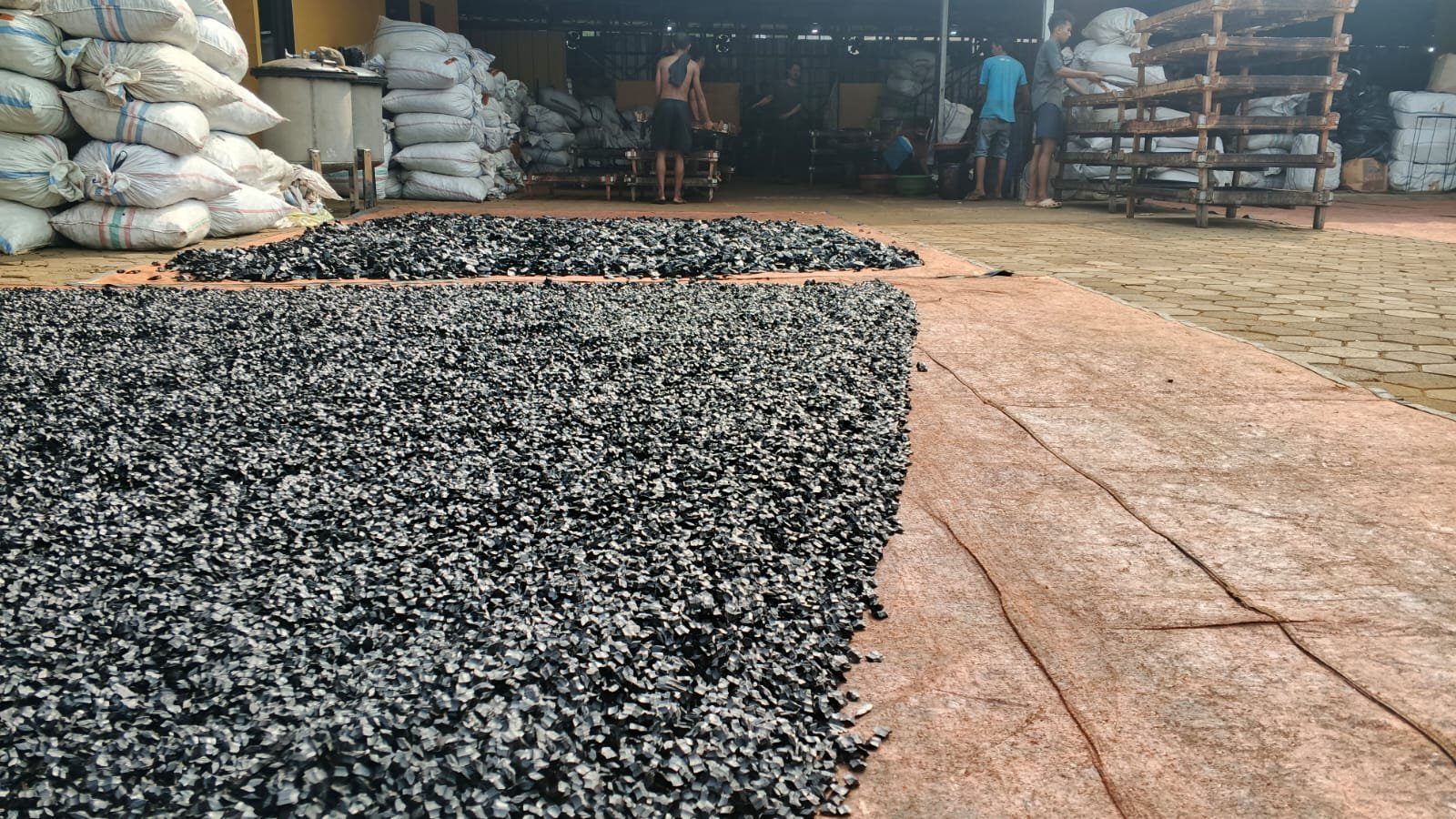
The shift from small-scale, traditional agarwood processing to structured manufacturing reflects a broader industry evolution — and it’s a journey our own company has lived through directly, having grown from home-based traditional distillation work in the early 2000s into a dedicated Sana’i agarwood production business. That evolution mirrors the industry’s broader shift toward more consistent, quality-controlled production, while still respecting the traditional techniques that gave agarwood its reputation in the first place.
Why Heritage Still Matters Today
In a market increasingly filled with synthetic “oud-inspired” fragrances, genuine agarwood carries a story that synthetic alternatives simply can’t replicate. When you choose authentic Sana’i agarwood, you’re connecting to a centuries-old tradition — not just buying a scent.
Interested in exploring agarwood rooted in genuine craft and heritage? Browse our Sana’i Oud catalogue and reach out to our team to learn more about the grade that’s right for you.