
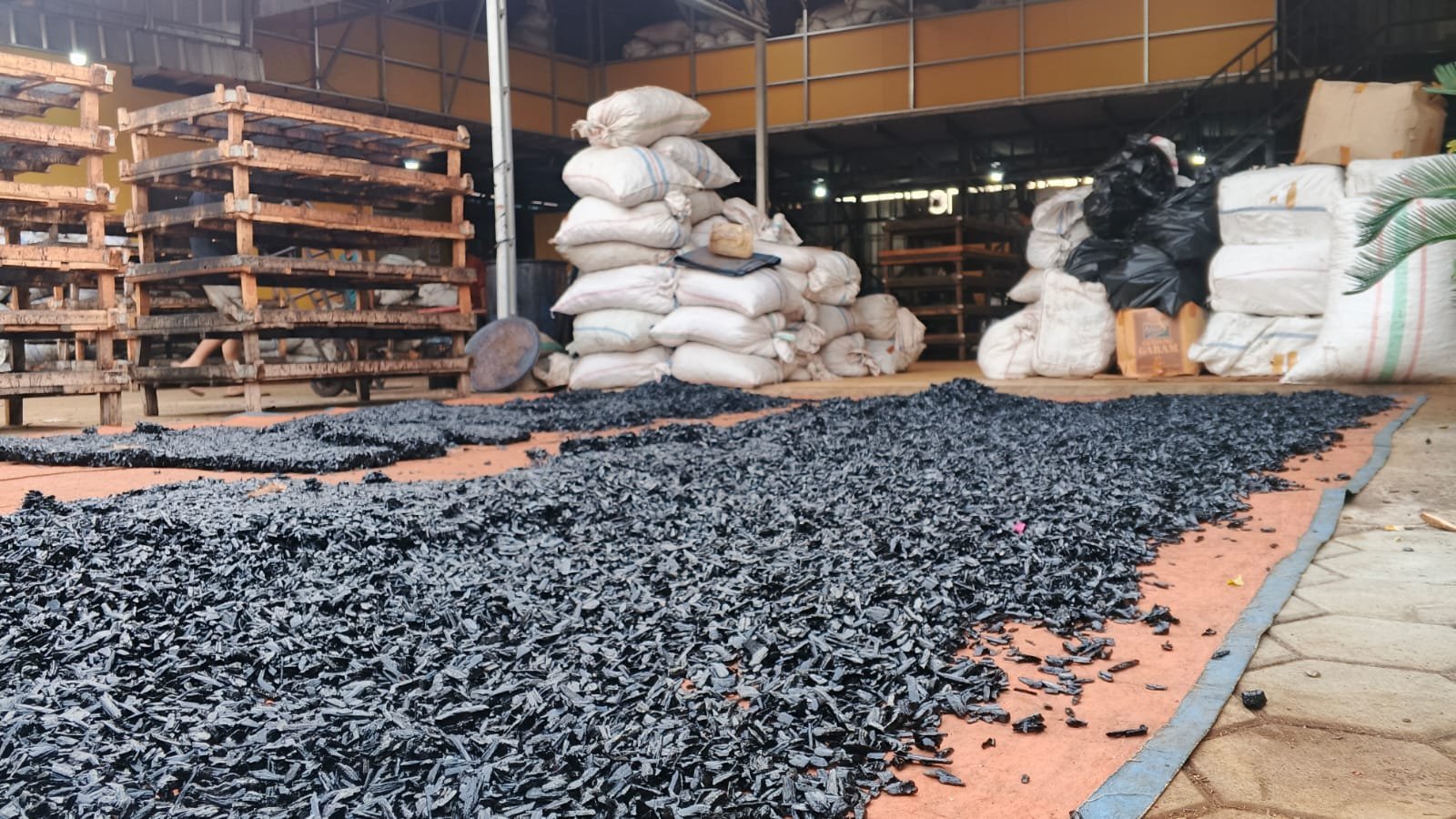

Agarwood has a complicated relationship with sustainability. Because wild agarwood-producing trees are naturally rare — only a small percentage of Aquilaria trees ever develop resin — decades of high global demand have put real pressure on wild populations. At PayuOud, sustainability isn’t a marketing checkbox; it’s foundational to how we’ve operated since our roots began.
Our Roots Go Back to 2001
Long before PayuOud existed as a brand, our company’s foundation was built by hands-on experience in traditional agarwood distillation, starting in 2001. What began as small-scale, traditional oil distillation and handcrafted agarwood woodwork grew steadily into a dedicated Gaharu Sana’i manufacturing operation by 2007. That evolution — from a home-based craft to a structured manufacturer — is part of why sustainable practice is baked into our process rather than bolted on afterward.
What “Environmentally Friendly Processing” Actually Means
Sustainable agarwood production generally focuses on a few key principles:
- Responsible sourcing — working with cultivated or responsibly managed agarwood sources rather than relying purely on unregulated wild harvesting.
- Efficient resin utilization — processing methods designed to make full use of resin-rich material rather than wasteful extraction.
- Long-term supply thinking — treating agarwood as a resource to be stewarded over time, not a one-time harvest to be depleted.
These principles guide how PT Monggo Jaya Berdikari, the company behind PayuOud, approaches Sana’i agarwood manufacturing.
Why This Matters for You as a Customer
When you purchase agarwood products, you’re participating in a supply chain that has real environmental stakes. Choosing a producer that treats sustainability seriously helps support an industry that can continue for future generations, rather than one that burns through a finite natural resource. It’s also increasingly relevant if you’re purchasing agarwood internationally — many countries have import regulations tied to agarwood species, and responsible sourcing is part of what keeps this trade viable long-term.
Our Commitment Going Forward
As pioneers focused specifically on Sana’i agarwood, we see sustainability and quality as connected, not competing, goals. A rushed, extraction-heavy approach doesn’t produce the resin density and complexity that defines a genuinely great piece of oud — the two priorities reinforce each other.
Interested in learning more about our production process or sourcing practices? Reach out to our team directly — we’re glad to share more about how our Sana’i agarwood is made.